How to Create a Magnetic Wall – A DIY Guide

Table of Content
- Introduction
- What is Magnetic Paint
- How To Create A Magnetic Wall With Paint?
- What are the Different Ways to Create or DIY Magnetic Walls?
- Key Takeaway
A magnetic wall idea opens up a space to a lot of new possibilities. In an office, you can use a magnetic wall to stick important notes, targets, charts, images, and more. In a classroom setting, a magnetic wall can be a place for students to stick their artwork, wall magazines, etc., and teachers can use it to add visual cues to their lectures. There are plenty of use cases for magnetic walls, especially if they are also writable.
In this post, we’ll discuss how to create a magnetic wall with paint with the help of magnetic paints and plaster. The best part is that you can do it all by yourself without any professional help.
What Is Magnetic Paint?

Magnetic paint is a surface solution with magnetite content. For instance, the magnetic paint by Smarter Surfaces has a high 55% magnetite content. It gives a wall enough magnetic receptivity to hold 4 sheets of A4 paper with a single neodymium magnet. For stronger magnetic receptivity, you can use the super magnetic paint, which has a very high 60% magnetite content.
How To Create A Magnetic Wall With Paint?

Transforming an ordinary wall into a magnetic surface using paint is one of the most popular DIY projects for homeowners looking to add both functionality and style to their space. This method offers flexibility, affordability, and the ability to customize your magnetic wall to match your existing decor. Here's everything you need to know about creating a magnetic wall using the paint method.
1. Understanding Magnetic Paint
Magnetic paint has tiny particles of magnetite (this is better than iron as it does not oxidise) mixed with paint to create a surface where magnets will stick. It should be noted that magnetic paint does not turn your wall into a magnet - it only creates a ferrous surface that will attract magnets. The strength of the attraction is based on various factors, including how many coats of paint you put on and the quality of the magnetic paint you choose.
The magnetic paints are loaded with magnetite; therefore, they are dark in color, usually gray or black. However, you can overpaint magnetic paint with an ordinary interior paint when it is completely dry, which means that your final wall would have all the color options.
2. Choosing Your Magnetic Paint
Not all magnetic paint products are the same, nor do they all perform the same. Smarter Surfaces Magnetic Paint usually has a higher concentration of magnetite particles. Cheaper products use iron, which oxidises over time. Be sure to read the product reviews before purchasing the paint, and verify what the manufacturer stated about magnetic strength.
Consider the coverage area listed on the container. Magnetic paint typically covers less square footage per gallon than regular paint due to its thickness and content, so you may need more than you initially calculate.
3. Preparing Your Wall Surface
Magnetic paint requires proper preparation in order to realize good results. Begin by thoroughly washing your wall so as to eliminate any dirt, grease, or dirt that may hamper the sticking of the paint.
Seal any gaps, cracks, or crevices with wall filler and smooth after it has dried. Even minor blemishes can be more pronounced in the thick magnetic paint, so take time to make your surface as smooth as you can.
When you have a wall with a glossy finish or a dark paint applied to it, it is important to apply a good-quality primer before doing anything. This is to guarantee more adhesion, and the colored background does not interfere with your final output.
Sand the whole wall with fine-grit sandpaper in order to give it a slightly irregular texture onto which the magnetic paint will be applied. Use a clean and damp cloth and wipe off all the dust, and make sure that the wall is fully dry before moving on.
4. Setting Up Your Workspace
Magnetic paint can be messier than regular paint, so thorough preparation of your workspace is essential. Cover floors and furniture with heavy-duty drop cloths or plastic sheeting. The magnetite particles in magnetic paint make spills more difficult to clean up than regular paint spills.
Use high-quality painter's tape to mask off trim, outlets, and any areas you don't want painted. Take extra care around electrical outlets – you'll want clean, straight lines for a professional appearance.
Ensure good ventilation in your work area. Open windows and use fans to circulate air, as magnetic paint can have stronger fumes than regular paint and takes longer to cure completely.
5. The Stirring Process
This step cannot be overstated in importance – proper stirring makes or breaks your magnetic wall project. The magnetite particles in magnetic paint settle quickly and heavily at the bottom of the container. Before opening the can, turn it upside down and let it sit for several minutes to help redistribute the particles.
Once opened, stir the paint thoroughly and vigorously. You should feel resistance as you stir – that's the magnetite particles being distributed throughout the paint. Continue stirring until the mixture feels consistent and you don't see any settled particles at the bottom.
Throughout your painting project, stir the paint frequently. Set a timer to remind yourself to stir every 10-15 minutes, even during brief breaks.
6. Applying the First Coat
To obtain the best performance, use a good-quality roller with a medium nap. The slight texture of the roller cover helps distribute the magnetite particles consistently across the surface.
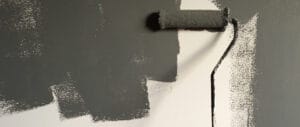
Go section by section, typically 3-4 metres wide, and remember to maintain a wet edge to avoid lap marks. Start by applying the paint in a W or M pattern, then fill it in with strokes parallel to the long end. Don't overwork the paint - the magnetite particles can settle down if you roll it over the same area more than just a few times.
The first coat will be quite dark and may look a little streaky or uneven. This is normal. The goal is to get complete coverage, not perfection, at this point.
Allow to dry as indicated by the manufacturer, typically around 4-6 hours. Resist the urge to speed through this part of the process. It is important for the purposes of building magnetic strength to allow for proper drying between coats.
7. Building Up Additional Coats
Most magnetic paints require 2-3 coats minimum for adequate magnetic attraction. Some may need up to 4 coats for a strong magnetic hold, especially if you plan to use weak magnets or hang heavier items.
Before applying each subsequent coat, lightly sand the previous coat with fine-grit sandpaper. This isn't about removing material – just creating a slightly rough surface for better adhesion. Remove all sanding dust with a clean, slightly damp cloth.
Stir your magnetic paint thoroughly before each new coat application. Apply each coat in the same manner as the first, working systematically across your wall and maintaining that wet edge.
8. Testing Your Magnetic Strength
After your final coat of magnetic paint has dried completely (usually 24 hours), test the magnetic strength before applying any topcoat. Try various magnets of different strengths and sizes to get a feel for what your wall can handle.
Start with stronger neodymium magnets, then test regular refrigerator magnets. If weak magnets don't stick well but strong ones do, that's normal and expected. If even strong magnets slide off easily, you may need to apply an additional coat of magnetic paint.
Test different areas of your wall, as magnetic strength can vary slightly across the surface. This testing phase helps you understand your wall's capabilities and plan accordingly for its use.
9. Applying Your Topcoat
Once you're satisfied with the magnetic strength, you can apply your chosen topcoat color. Any high-quality interior paint works over properly cured magnetic paint – latex, acrylic, or even specialty paints like chalkboard paint.
Use standard painting techniques for your topcoat application. You'll typically need 2 coats of regular paint for good color coverage and durability. The good news is that regular paint applies much more easily than the primer, so this part of the project goes quickly.
10. Maintenance and Care
Once your magnetic wall is complete, it is relatively low maintenance, but a few simple steps will help preserve its appearance and function at the highest level. It can be cleaned gently using a soft, damp cloth, and depending on how dirty it gets, you may want to use a light soap. Avoid using any highly abrasive cleaners that might damage the magnetic wall surface, as this will eventually happen if you continuously use a cleaner that is too abrasive.
If you observe a decrease in magnetic strength over time, it can be due to normal wear or paint build-up, or due to cleaning the surface too much. Whenever you feel it is necessary, a coat of new primer will restore functionality to full capacity.
What are the Different Ways to Create or DIY Magnetic Walls?

Enhancing a wall has become an even more popular choice for homeowners who want to design a multipurpose wall that will offer functionality and style. There are various ways of creating a DIY magnetic wall for organization, displaying kids' art, or making an interactive family command center. Let's explore the various methods, each with its own benefits and considerations.
Method 1: Magnetic Paint
This DIY magnetic whiteboard wall is probably the easiest approach for most enthusiasts. Magnetic Paint contains magnetite particles that create a receptive surface for magnets when applied correctly. It can be used in large wall sections, for renters who want a removable solution, and anyone wanting to customize their wall color. It is easy to apply, can paint any color on top, and works on most wall surfaces.
How it works: You apply 2-3 coats of magnetic paint as a base, then finish with any regular paint color you desire. The particles in the primer create the magnetic attraction, while your topcoat provides the aesthetic appeal.
Method 2: Magnetic Sheets and Panels
Magnetic sheets and panels are easy to use and do not require paint or primer. These sheets are flexible and can easily be cut to fit your wall. It is a good option to use in smaller sections, temporarily, or when you need something done quickly. There is no dry time, the magnet strength is consistent, and the sheets are easily removable and repositionable.
How it works: You simply peel off the adhesive backing and stick the magnetic sheets to your wall. Some varieties come with decorative surfaces, while others can be painted over.
Method 3: Metal Sheets with Magnetic Appeal
Instead of making your wall magnetic, you can create a metal surface that attracts magnets. This involves installing thin metal sheets that work with standard magnets. It is a heavy-duty application and is used in areas requiring a strong magnetic hold, industrial, or modern design aesthetics. It is a very strong magnetic attraction, durable, and can handle heavier items.
How it works: Install galvanized steel sheets, tin sheets, or specially designed magnetic receptive panels on your wall. These can be painted or covered with decorative materials.
Method 4: Magnetic Wallpaper
An innovation in the magnetic wall space, magnetic wallpaper combines the decorative appeal of traditional wallpaper with magnetic functionality. It is best for accent walls, children's rooms, or areas where you want both decoration and function. Combines aesthetics and function, has easy installation like regular wallpaper, and offers various design options.
How it works: The wallpaper has a magnetic layer embedded, which allows you to put magnets right on the decorative surface.
Method 5: Magnetic Strips and Rails
Before you simply cover an entire wall, a good idea is to install magnetic strips or rails, which offer you targeted magnetic areas. It is durable, offers a strong magnetic hold, is prepositioned for precise placement, and can be easily changed. It is good for organizing items like knives in the kitchen, specific tools in the workshop, or designated magnetic display areas.
How it works: Mount magnetic strips either horizontally or vertically on the wall to create magnetic zones/areas.
Method 6: DIY Magnetic Board Creation
For those who enjoy crafting, creating a framed magnetic board offers a contained magnetic surface that doubles as wall art. It can be best used in smaller spaces, decorative applications, and areas where you want a defined magnetic zone.
How it works: Create a frame around a metal sheet or apply a primer to a board, then mount it as a decorative element.
Method 7: Combination Approaches
Many successful magnetic wall projects combine multiple methods to achieve the desired result. It is best used for complex organizational needs, walls with multiple functions, and maximizing magnetic utility. It provides a tailored solution, addresses various magnetic strength needs, and is highly functional.
How it works: You might use Smarter Surfaces primer on the main wall area and add magnetic strips for extra-strong zones, or combine magnetic sheets with painted areas.
Key Takeaway
Creating a DIY magnetic whiteboard wall with paint is a rewarding project that combines functionality with personalization. The result is a versatile surface that can adapt to your changing needs.
Set up your workspace completely before opening any paint containers. Having everything ready and within reach makes the actual painting process much smoother and reduces the chance of mistakes or spills.
The beauty of this approach is its flexibility – if your needs change or you want to update your decor, you can always paint over your magnetic wall or refresh it with new coats to maintain its magnetic properties.
FAQ's
Is it possible to get a magnetic paint for walls without applying paint to it?
Yes, it is. You can use the magnetic whiteboard wallpaper to turn any wall into a magnetic whiteboard. You can even create a projection screen that triples as a magnetic wall and a whiteboard by using the magnetic whiteboard projection wallpaper.
How to apply the magnetic plaster?
Apply Smarter Surfaces magnetic plaster in thin, even coats, working in small sections to maintain a wet edge. Stir frequently to keep magnetite particles distributed evenly, and allow each coat to dry completely before applying the next. Most magnetic plasters require 2-3 coats for optimal magnetic strength.
How strong is magnetic paint?
Magnetic paint typically holds lightweight items like photos, notes, and small decorations with standard refrigerator magnets. The strength depends on the number of coats applied — usually 2-3 coats provide moderate magnetic attraction, while 4+ coats offer stronger holding power. It won't support heavy items like tools or thick books without very strong neodymium magnets.
Can I make only a part of my wall magnetic instead of the whole wall?
Yes. You can create magnetic sections by taping off specific areas, like a square behind a desk or a strip along a hallway. This approach saves money and materials while providing targeted magnetic functionality exactly where you need it. Many people create magnetic accent areas or geometric shapes for both function and visual interest.
How do I clean and maintain a magnetic wall without damaging it?
Clean with a soft, damp cloth using mild soap if needed. Avoid abrasive cleaners or scrubbing that could wear away the magnetic properties. Dust regularly to prevent buildup, and avoid using harsh chemicals or magic erasers. For stubborn marks, use a slightly damp cloth with gentle circular motions rather than aggressive scrubbing.
What types of magnets work best on magnetic paint vs magnetic plaster?
Neodymium magnets work best on both surfaces due to their superior strength, while standard refrigerator magnets may struggle with painted surfaces but work better on magnetic plaster. Magnetic plaster generally provides stronger magnetic attraction than paint, so it can handle weaker magnets more effectively. Flat, broad magnets typically perform better than small, round ones on either surface.
Is a magnetic wall safe to use around electronics or Wi-Fi routers?
Yes, magnetic walls are generally safe around most household electronics and won't interfere with Wi-Fi signals or routers since the magnetism is passive and relatively weak. However, avoid placing strong neodymium magnets directly against sensitive devices like hard drives, credit cards, or pacemakers. The magnetite particles in the wall itself pose no electronic interference risks.
How long does a magnetic wall last before needing a refresh or recoating?
A properly applied magnetic wall typically lasts 5-10 years with normal use before showing a significant decline in magnetic strength. High-traffic areas or walls subjected to frequent cleaning may need refreshing sooner, while low-use areas can last longer. You'll know it's time for a refresh when magnets start sliding off or require noticeably stronger magnets to stick securely.