A Detailed Guide to Turning Any Surface into a Projection Surface

A Detailed Guide to Turning Any Surface into a Projection Surface
 A Detailed Guide to Turning Any Surface into a Projection Surface

Table of Content

  1. Introduction
  2. Why Choose Projection Paints and Wallpapers Over Traditional Screens
  3. Creating Outdoor Projection Surfaces
  4. Projection Solutions for Low-Light Environments
  5. Interactive Projection Surfaces
  6. How to Apply Projector Screen Paint Step by Step
  7. Projector Paint vs Projector Screen Comparison
  8. Final Thoughts
  9. FAQs

Projection technology has advanced significantly over the last decade, allowing businesses, educators and these days transforming almost any smooth surface into a high-quality projection screen is possible. Whether it is a classroom whiteboard, an office wall, a door, a metal panel, an outdoor wall or even a floor, you can achieve an efficient, cost-effective projection solution with the right surface products.

The good news is that the projection range by Smarter Surfaces has been engineered to meet diverse use cases. From outdoor projection screen paint designed for open-air events, to white projection screen paint for training rooms and classrooms with bright light, or interactive projector wall paint for classrooms and offices, there is a solution for every application.

This detailed guide will explain the types of projection paints and wallpapers available, their technical specifications, and the conditions they are best suited for. You will also learn how to turn a wall into a projector screen, the best paint colour for projector screen walls, and practical details such as how to apply projector screen paint step by step.

Why Choose Projection Paints and Wallpapers Over Traditional Screens?

Why Choose Projection Paints and Wallpapers

Traditional pull-down projector screens or standalone boards often come with limitations such as fixed dimensions, difficulty in integrating with interior design, and additional costs for installation and maintenance. In comparison, projection paints and wallpapers offer several benefits:

Flexible Sizing -

Create projection surfaces of any dimension, from compact boardroom walls to large projector walls for training rooms.

Seamless Integration -

Paint or wallpaper blends into the environment without bulky frames or equipment.

Cost-Effective -

Compared to mounted screens, projector paints offer long-term savings with low maintenance.

Optimised Performance -

Tailored gain values, colour tones, and finishes ensure suitability for 4K projection, low-light rooms, or bright classrooms.

Multi-Functionality -

Certain products combine projection with whiteboard or magnetic functionality, delivering maximum value per wall.

By selecting the correct product, you can ensure that your projection surface is fit-for-purpose, durable, and delivers a professional-quality image.

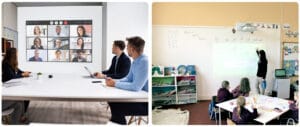
Turning Classroom and Office Walls into Projection Surfaces
 Turning Classroom and Office Walls into Projection Surfaces

One of the most common questions we hear is: How to turn classroom and office walls into projection surfaces effectively?

Classrooms and meeting rooms often have high ambient light levels due to windows, overhead lighting, or open layouts. The main challenge is ensuring that projected images remain clear and vibrant without being washed out.

For these settings, Smarter Surfaces White Projector Screen Paint Pro is an excellent choice. This paint is engineered to deliver high brightness, with a gain value of 1.24 and a wide 140-degree viewing angle. It ensures that everyone in the room, whether seated at the back of a lecture hall or in the corner of a conference room, can see high-quality visuals.

It also supports HD and 4K projectors, making it ideal for professional presentations, training sessions, and collaborative environments. The paint’s low gloss level minimises hotspots and ensures uniform brightness across the surface.

This makes it one of the best projector paints for classrooms with bright light, providing both practicality and professional performance.

Creating Outdoor Projection Surfaces

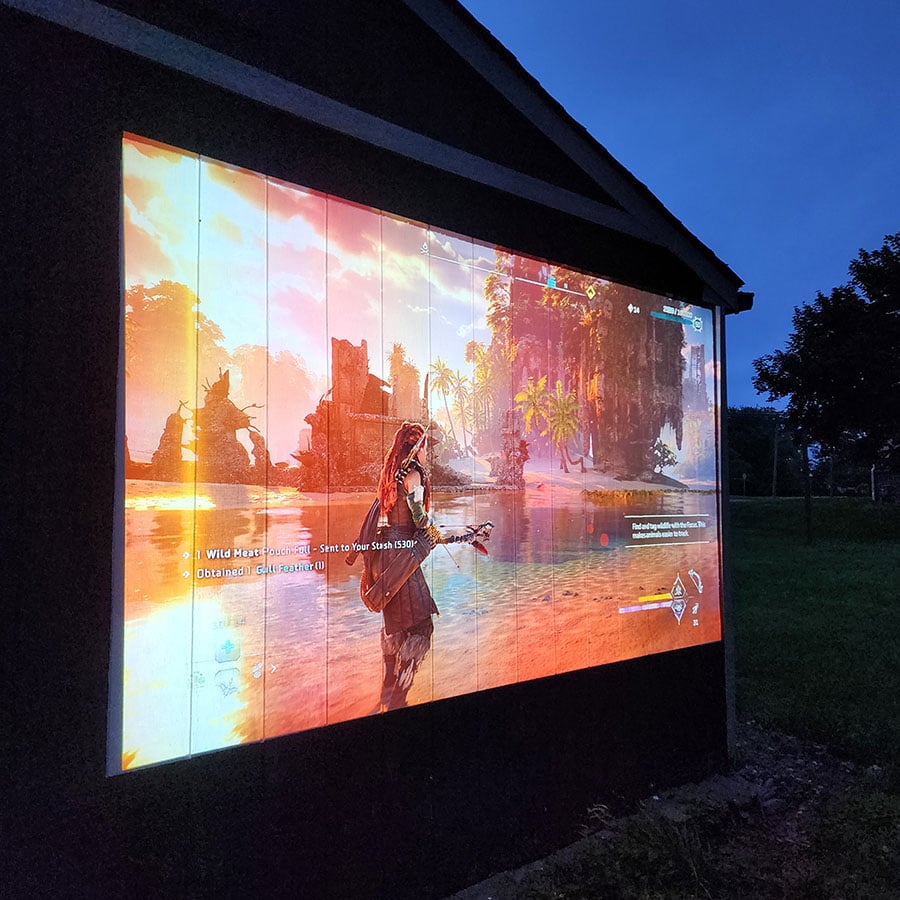
Creating Outdoor Projection Surfaces

If you are considering how to create a backyard cinema or an outdoor display for events, the right paint can make all the difference. Unlike indoor environments, outdoor projection surfaces face challenges such as sunlight, weather conditions, and variable lighting.

Smarter Surfaces Outdoor Projector Screen Paint for backyard walls is designed. It has a gain value of 1.26 with a 140-degree viewing angle, providing clear visuals even in outdoor lighting conditions. While it works best outside of direct sunlight, it performs exceptionally well in shaded areas or during evening use.

This solution allows you to:

  • Host outdoor movie nights with friends and family.
  • Stream live sports events on a large wall.
  • Deliver presentations or events in open-air venues.

Also, Smarter Surfaces offers Floor Projector Paint, which is unique in the industry. This product transforms floors into interactive projection areas that are durable, washable, and capable of handling foot traffic. It is particularly effective for trade shows, events, and interactive gaming experiences.

Projection Solutions for Low-Light Environments

 Projection Solutions for Low-Light Environments

In darkened rooms, using a standard high-gain white paint may result in images appearing too bright or lacking contrast. For these situations, darker projection paints are required, as they enhance contrast and deliver sharper image quality.

Options include:

  • Ultra High-Contrast Projector Screen Paint - ideal for spaces requiring improved colour depth.
  • Ambient Light Rejecting Projector Screen Paint - best suited for mixed-light environments where contrast is critical.
  • High-Contrast Projector Screen Paint - balances brightness and contrast for multipurpose rooms.
  • Black Projector Screen Paint - designed for designated dark rooms where maximum contrast is essential.

When evaluating the best paint colour for projector screen walls, dark greys and blacks deliver the highest colour contrast in low-light environments. For businesses or individuals wondering how much projector screen paint costs, the pricing will depend on coverage size, but it remains significantly more affordable than large-format projection screens.

Interactive Projection Surfaces

Interactive Projection Surfaces

Beyond passive viewing, many professional and educational spaces require interactive projection walls. Smarter Surfaces offers specialised solutions for these requirements:

Touch-Resistant Projection Paint

The Interactive Projector Screen Paint provides durability against physical touch, fingerprints, and hand oils, making it suitable for interactive presentations, digital learning, or touch-enabled projection setups, think of an entire wall working just like a touch screen. Point your interactive projector at your wall and your good to go.

Projection and Writing Combined

Another innovative option is low-sheen whiteboard wallpaper that functions both as a projector screen and a writable surface. In classrooms and meeting rooms, this allows for direct annotation during presentations.

For maximum functionality, the Magnetic Projector Screen Whiteboard Wallpaper combines projection, writing, and magnetic features, making it ideal for training rooms and boardrooms where versatility is required.

This is a practical response to queries such as Can you project on a whiteboard wall? While a regular glossy whiteboard may reflect too much light, these specialised wallpapers provide low sheen, ensuring projection clarity without sacrificing interactivity.

How to Apply Projector Screen Paint Step by Step

Application plays a critical role in the performance of projection surfaces. There is a standard method for most projector paints.

Clean the wall thoroughly, removing dust, grease, or old paint. For outdoor walls, a pressure wash may be required. Smooth uneven surfaces with filler or sanding. Apply a high-quality white primer. For exposed plaster, two coats may be necessary.

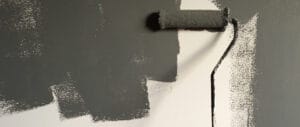
Stir the projector screen paint well to ensure an even consistency. Use a high-quality roller to apply the first coat. Allow drying (2-4 hours), then apply a second coat. Surfaces are typically ready for projection use within 12 hours.

This process solves the common user's query on how to apply projector screen paint step by step. Detailed product guides and video tutorials are provided with each purchase for customer assistance.

Projector Paint vs Projector Screen Comparison

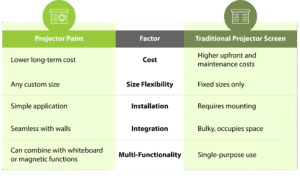
When evaluating whether to use projector paint or a traditional projector screen, decision-makers should consider:
Projector Paint vs Projector Screen Comparison

For classrooms, training rooms, and offices, projector paint offers greater value, efficiency, and flexibility compared to fixed projector screens.

Final Thoughts

Turning a wall, floor, or outdoor surface into a professional-quality projection screen is now simple with Smarter Surfaces range of projector paints and wallpapers. Whether your priority is clarity in bright classrooms, contrast in low-light spaces, or multi-functionality in offices and training rooms, there is a tailored solution available.

With flexible sizing, cost-effective installation, and seamless integration, projection screen paints and wallpapers are the modern alternative to traditional screens, ensuring businesses, schools, and individuals achieve the best results for presentations, entertainment, and collaboration.

How to Create a Magnetic Wall – A DIY Guide

How to Create a Magnetic Wall – A DIY Guide

How to Create a Magnetic Wall – A DIY Guide

Table of Content

  1. Introduction
  2. What is Magnetic Paint
  3. How To Create A Magnetic Wall With Paint?
  4. What are the Different Ways to Create or DIY Magnetic Walls?
  5. Key Takeaway

A magnetic wall idea opens up a space to a lot of new possibilities. In an office, you can use a magnetic wall to stick important notes, targets, charts, images, and more. In a classroom setting, a magnetic wall can be a place for students to stick their artwork, wall magazines, etc., and teachers can use it to add visual cues to their lectures. There are plenty of use cases for magnetic walls, especially if they are also writable.

In this post, we’ll discuss how to create a magnetic wall with paint with the help of magnetic paints and plaster. The best part is that you can do it all by yourself without any professional help.

What Is Magnetic Paint?

What Is Magnetic Paint?

Magnetic paint is a surface solution with magnetite content. For instance, the magnetic paint by Smarter Surfaces has a high 55% magnetite content. It gives a wall enough magnetic receptivity to hold 4 sheets of A4 paper with a single neodymium magnet. For stronger magnetic receptivity, you can use the super magnetic paint, which has a very high 60% magnetite content.

How To Create A Magnetic Wall With Paint?

How To Create A Magnetic Wall With Paint

Transforming an ordinary wall into a magnetic surface using paint is one of the most popular DIY projects for homeowners looking to add both functionality and style to their space. This method offers flexibility, affordability, and the ability to customize your magnetic wall to match your existing decor. Here’s everything you need to know about creating a magnetic wall using the paint method.

1. Understanding Magnetic Paint

Magnetic paint has tiny particles of magnetite (this is better than iron as it does not oxidise) mixed with paint to create a surface where magnets will stick. It should be noted that magnetic paint does not turn your wall into a magnet – it only creates a ferrous surface that will attract magnets. The strength of the attraction is based on various factors, including how many coats of paint you put on and the quality of the magnetic paint you choose.

The magnetic paints are loaded with magnetite; therefore, they are dark in color, usually gray or black. However, you can overpaint magnetic paint with an ordinary interior paint when it is completely dry, which means that your final wall would have all the color options.

2. Choosing Your Magnetic Paint

Not all magnetic paint products are the same, nor do they all perform the same. Smarter Surfaces Magnetic Paint usually has a higher concentration of magnetite particles. Cheaper products use iron, which oxidises over time. Be sure to read the product reviews before purchasing the paint, and verify what the manufacturer stated about magnetic strength.

Consider the coverage area listed on the container. Magnetic paint typically covers less square footage per gallon than regular paint due to its thickness and content, so you may need more than you initially calculate.

 3. Preparing Your Wall Surface

Magnetic paint requires proper preparation in order to realize good results. Begin by thoroughly washing your wall so as to eliminate any dirt, grease, or dirt that may hamper the sticking of the paint.

Seal any gaps, cracks, or crevices with wall filler and smooth after it has dried. Even minor blemishes can be more pronounced in the thick magnetic paint, so take time to make your surface as smooth as you can.

When you have a wall with a glossy finish or a dark paint applied to it, it is important to apply a good-quality primer before doing anything. This is to guarantee more adhesion, and the colored background does not interfere with your final output.

Sand the whole wall with fine-grit sandpaper in order to give it a slightly irregular texture onto which the magnetic paint will be applied. Use a clean and damp cloth and wipe off all the dust, and make sure that the wall is fully dry before moving on.

4. Setting Up Your Workspace

Magnetic paint can be messier than regular paint, so thorough preparation of your workspace is essential. Cover floors and furniture with heavy-duty drop cloths or plastic sheeting. The magnetite particles in magnetic paint make spills more difficult to clean up than regular paint spills.

Use high-quality painter’s tape to mask off trim, outlets, and any areas you don’t want painted. Take extra care around electrical outlets – you’ll want clean, straight lines for a professional appearance.

Ensure good ventilation in your work area. Open windows and use fans to circulate air, as magnetic paint can have stronger fumes than regular paint and takes longer to cure completely.

5. The Stirring Process

This step cannot be overstated in importance – proper stirring makes or breaks your magnetic wall project. The magnetite particles in magnetic paint settle quickly and heavily at the bottom of the container. Before opening the can, turn it upside down and let it sit for several minutes to help redistribute the particles.

Once opened, stir the paint thoroughly and vigorously. You should feel resistance as you stir – that’s the magnetite particles being distributed throughout the paint. Continue stirring until the mixture feels consistent and you don’t see any settled particles at the bottom.

Throughout your painting project, stir the paint frequently. Set a timer to remind yourself to stir every 10-15 minutes, even during brief breaks.

6. Applying the First Coat

To obtain the best performance, use a good-quality roller with a medium nap. The slight texture of the roller cover helps distribute the magnetite particles consistently across the surface.

Go section by section, typically 3-4 metres wide, and remember to maintain a wet edge to avoid lap marks. Start by applying the paint in a W or M pattern, then fill it in with strokes parallel to the long end. Don’t overwork the paint – the magnetite particles can settle down if you roll it over the same area more than just a few times.

The first coat will be quite dark and may look a little streaky or uneven. This is normal. The goal is to get complete coverage, not perfection, at this point.

 Allow to dry as indicated by the manufacturer, typically around 4-6 hours. Resist the urge to speed through this part of the process. It is important for the purposes of building magnetic strength to allow for proper drying between coats.

7. Building Up Additional Coats

Most magnetic paints require 2-3 coats minimum for adequate magnetic attraction. Some may need up to 4 coats for a strong magnetic hold, especially if you plan to use weak magnets or hang heavier items.

Before applying each subsequent coat, lightly sand the previous coat with fine-grit sandpaper. This isn’t about removing material – just creating a slightly rough surface for better adhesion. Remove all sanding dust with a clean, slightly damp cloth.

Stir your magnetic paint thoroughly before each new coat application. Apply each coat in the same manner as the first, working systematically across your wall and maintaining that wet edge.

8. Testing Your Magnetic Strength

After your final coat of magnetic paint has dried completely (usually 24 hours), test the magnetic strength before applying any topcoat. Try various magnets of different strengths and sizes to get a feel for what your wall can handle.

Start with stronger neodymium magnets, then test regular refrigerator magnets. If weak magnets don’t stick well but strong ones do, that’s normal and expected. If even strong magnets slide off easily, you may need to apply an additional coat of magnetic paint.

Test different areas of your wall, as magnetic strength can vary slightly across the surface. This testing phase helps you understand your wall’s capabilities and plan accordingly for its use.

9. Applying Your Topcoat

Once you’re satisfied with the magnetic strength, you can apply your chosen topcoat color. Any high-quality interior paint works over properly cured magnetic paint – latex, acrylic, or even specialty paints like chalkboard paint.

Use standard painting techniques for your topcoat application. You’ll typically need 2 coats of regular paint for good color coverage and durability. The good news is that regular paint applies much more easily than the primer, so this part of the project goes quickly.

10. Maintenance and Care

Once your magnetic wall is complete, it is relatively low maintenance, but a few simple steps will help preserve its appearance and function at the highest level. It can be cleaned gently using a soft, damp cloth, and depending on how dirty it gets, you may want to use a light soap. Avoid using any highly abrasive cleaners that might damage the magnetic wall surface, as this will eventually happen if you continuously use a cleaner that is too abrasive.

If you observe a decrease in magnetic strength over time, it can be due to normal wear or paint build-up, or due to cleaning the surface too much. Whenever you feel it is necessary, a coat of new primer will restore functionality to full capacity. 

What are the Different Ways to Create or DIY Magnetic Walls?

Different Ways to Create or DIY Magnetic Walls

Enhancing a wall has become an even more popular choice for homeowners who want to design a multipurpose wall that will offer functionality and style. There are various ways of creating a DIY magnetic wall for organization, displaying kids’ art, or making an interactive family command center. Let’s explore the various methods, each with its own benefits and considerations.

Method 1: Magnetic Paint

This DIY magnetic whiteboard wall is probably the easiest approach for most enthusiasts. Magnetic Paint contains magnetite particles that create a receptive surface for magnets when applied correctly. It can be used in large wall sections, for renters who want a removable solution, and anyone wanting to customize their wall color. It is easy to apply, can paint any color on top, and works on most wall surfaces.

How it works: You apply 2-3 coats of magnetic paint as a base, then finish with any regular paint color you desire. The particles in the primer create the magnetic attraction, while your topcoat provides the aesthetic appeal.

Method 2: Magnetic Sheets and Panels

Magnetic sheets and panels are easy to use and do not require paint or primer. These sheets are flexible and can easily be cut to fit your wall. It is a good option to use in smaller sections, temporarily, or when you need something done quickly. There is no dry time, the magnet strength is consistent, and the sheets are easily removable and repositionable.

How it works: You simply peel off the adhesive backing and stick the magnetic sheets to your wall. Some varieties come with decorative surfaces, while others can be painted over.

Method 3: Metal Sheets with Magnetic Appeal

Instead of making your wall magnetic, you can create a metal surface that attracts magnets. This involves installing thin metal sheets that work with standard magnets. It is a heavy-duty application and is used in areas requiring a strong magnetic hold, industrial, or modern design aesthetics. It is a very strong magnetic attraction, durable, and can handle heavier items.

How it works: Install galvanized steel sheets, tin sheets, or specially designed magnetic receptive panels on your wall. These can be painted or covered with decorative materials.

Method 4: Magnetic Wallpaper

An innovation in the magnetic wall space, magnetic wallpaper combines the decorative appeal of traditional wallpaper with magnetic functionality. It is best for accent walls, children’s rooms, or areas where you want both decoration and function. Combines aesthetics and function, has easy installation like regular wallpaper, and offers various design options.

How it works: The wallpaper has a magnetic layer embedded, which allows you to put magnets right on the decorative surface. 

Method 5: Magnetic Strips and Rails

Before you simply cover an entire wall, a good idea is to install magnetic strips or rails, which offer you targeted magnetic areas. It is durable, offers a strong magnetic hold, is prepositioned for precise placement, and can be easily changed. It is good for organizing items like knives in the kitchen, specific tools in the workshop, or designated magnetic display areas. 

How it works: Mount magnetic strips either horizontally or vertically on the wall to create magnetic zones/areas.

Method 6: DIY Magnetic Board Creation

For those who enjoy crafting, creating a framed magnetic board offers a contained magnetic surface that doubles as wall art. It can be best used in smaller spaces, decorative applications, and areas where you want a defined magnetic zone.

How it works: Create a frame around a metal sheet or apply a primer to a board, then mount it as a decorative element.

Method 7: Combination Approaches

Many successful magnetic wall projects combine multiple methods to achieve the desired result. It is best used for complex organizational needs, walls with multiple functions, and maximizing magnetic utility. It provides a tailored solution, addresses various magnetic strength needs, and is highly functional.

How it works: You might use Smarter Surfaces primer on the main wall area and add magnetic strips for extra-strong zones, or combine magnetic sheets with painted areas.

Key Takeaway

Creating a DIY magnetic whiteboard wall with paint is a rewarding project that combines functionality with personalization. The result is a versatile surface that can adapt to your changing needs.

Set up your workspace completely before opening any paint containers. Having everything ready and within reach makes the actual painting process much smoother and reduces the chance of mistakes or spills.

The beauty of this approach is its flexibility – if your needs change or you want to update your decor, you can always paint over your magnetic wall or refresh it with new coats to maintain its magnetic properties.

<div style="max-width:1400px; margin:0px auto;"> <div itemscope="" itemtype="https://schema.org/FAQPage"><h2 style="text-align:center;">FAQ's</h2><div itemprop="mainEntity" itemscope="" itemtype="https://schema.org/Question"> <button class="faqs-accordion" itemprop="name"><span class="h3-faq"><h3> Is it possible to get a magnetic paint for walls without applying paint to it?</h3> </span></button> <div itemprop="acceptedAnswer" itemscope="" itemtype="https://schema.org/Answer" class="faqspanel"> <div itemprop="text"> <div class="faqsp"> <div class="faqs-content"> Yes, it is. You can use the <a href="/product/magnetic-whiteboard-wallpaper/"> magnetic whiteboard wallpaper</a> to turn any wall into a magnetic whiteboard. You can even create a projection screen that triples as a magnetic wall and a whiteboard by using the magnetic whiteboard projection wallpaper.<br /><br /></div></div> </div> <meta itemprop="position" content="1"> </div> </div><div itemprop="mainEntity" itemscope="" itemtype="https://schema.org/Question"> <button class="faqs-accordion" itemprop="name"><span class="h3-faq"><h3> How to apply the magnetic plaster? </h3> </span></button> <div itemprop="acceptedAnswer" itemscope="" itemtype="https://schema.org/Answer" class="faqspanel"> <div itemprop="text"> <div class="faqsp"> <div class="faqs-content"> Apply <a href="/product/magnetic-plaster/">Smarter Surfaces magnetic plaster</a> in thin, even coats, working in small sections to maintain a wet edge. Stir frequently to keep magnetite particles distributed evenly, and allow each coat to dry completely before applying the next. Most magnetic plasters require 2-3 coats for optimal magnetic strength. <br /><br /></div></div> </div> <meta itemprop="position" content="2"> </div> </div><div itemprop="mainEntity" itemscope="" itemtype="https://schema.org/Question"> <button class="faqs-accordion" itemprop="name"><span class="h3-faq"><h3>How strong is magnetic paint?</h3> </span></button> <div itemprop="acceptedAnswer" itemscope="" itemtype="https://schema.org/Answer" class="faqspanel"> <div itemprop="text"> <div class="faqsp"> <div class="faqs-content"> Magnetic paint typically holds lightweight items like photos, notes, and small decorations with standard refrigerator magnets. The strength depends on the number of coats applied - usually 2-3 coats provide moderate magnetic attraction, while 4+ coats offer stronger holding power. It won't support heavy items like tools or thick books without very strong neodymium magnets.<br /><br /></div></div> </div> <meta itemprop="position" content="3"> </div> </div><div itemprop="mainEntity" itemscope="" itemtype="https://schema.org/Question"> <button class="faqs-accordion" itemprop="name"><span class="h3-faq"><h3>Can I make only a part of my wall magnetic instead of the whole wall?</h3> </span></button> <div itemprop="acceptedAnswer" itemscope="" itemtype="https://schema.org/Answer" class="faqspanel"> <div itemprop="text"> <div class="faqsp"> <div class="faqs-content"> Yes. You can create magnetic sections by taping off specific areas, like a square behind a desk or a strip along a hallway. This approach saves money and materials while providing targeted magnetic functionality exactly where you need it. Many people create magnetic accent areas or geometric shapes for both function and visual interest.<br /><br /></div></div> </div> <meta itemprop="position" content="4"> </div> </div><div itemprop="mainEntity" itemscope="" itemtype="https://schema.org/Question"> <button class="faqs-accordion" itemprop="name"> <span class="h3-faq"><h3>How do I clean and maintain a magnetic wall without damaging it?</h3> </span></button> <div itemprop="acceptedAnswer" itemscope="" itemtype="https://schema.org/Answer" class="faqspanel"> <div itemprop="text"> <div class="faqsp"> <div class="faqs-content"> Clean with a soft, damp cloth using mild soap if needed. Avoid abrasive cleaners or scrubbing that could wear away the magnetic properties. Dust regularly to prevent buildup, and avoid using harsh chemicals or magic erasers. For stubborn marks, use a slightly damp cloth with gentle circular motions rather than aggressive scrubbing.<br /><br /></div></div> </div> <meta itemprop="position" content="5"> </div> </div><div itemprop="mainEntity" itemscope="" itemtype="https://schema.org/Question"> <button class="faqs-accordion" itemprop="name"> <span class="h3-faq"><h3>What types of magnets work best on magnetic paint vs magnetic plaster?</h3> </span></button> <div itemprop="acceptedAnswer" itemscope="" itemtype="https://schema.org/Answer" class="faqspanel"> <div itemprop="text"> <div class="faqsp"> <div class="faqs-content"> Neodymium magnets work best on both surfaces due to their superior strength, while standard refrigerator magnets may struggle with painted surfaces but work better on magnetic plaster. Magnetic plaster generally provides stronger magnetic attraction than paint, so it can handle weaker magnets more effectively. Flat, broad magnets typically perform better than small, round ones on either surface.<br /><br /></div></div> </div> <meta itemprop="position" content="6"> </div> </div> <div itemprop="mainEntity" itemscope="" itemtype="https://schema.org/Question"> <button class="faqs-accordion" itemprop="name"> <span class="h3-faq"><h3>Is a magnetic wall safe to use around electronics or Wi-Fi routers?</h3> </span></button> <div itemprop="acceptedAnswer" itemscope="" itemtype="https://schema.org/Answer" class="faqspanel"> <div itemprop="text"> <div class="faqsp"> <div class="faqs-content"> Yes, magnetic walls are generally safe around most household electronics and won't interfere with Wi-Fi signals or routers since the magnetism is passive and relatively weak. However, avoid placing strong neodymium magnets directly against sensitive devices like hard drives, credit cards, or pacemakers. The magnetite particles in the wall itself pose no electronic interference risks.<br /><br /></div></div> </div> <meta itemprop="position" content="7"> </div> </div> <div itemprop="mainEntity" itemscope="" itemtype="https://schema.org/Question"> <button class="faqs-accordion" itemprop="name"> <span class="h3-faq"><h3>How long does a magnetic wall last before needing a refresh or recoating?</h3> </span></button> <div itemprop="acceptedAnswer" itemscope="" itemtype="https://schema.org/Answer" class="faqspanel"> <div itemprop="text"> <div class="faqsp"> <div class="faqs-content"> A properly applied magnetic wall typically lasts 5-10 years with normal use before showing a significant decline in magnetic strength. High-traffic areas or walls subjected to frequent cleaning may need refreshing sooner, while low-use areas can last longer. You'll know it's time for a refresh when magnets start sliding off or require noticeably stronger magnets to stick securely.<br /><br /></div></div> </div> <meta itemprop="position" content="8"> </div> </div><script> var acc = document.getElementsByClassName("faqs-accordion"); var i;for (i = 0; i < acc.length; i++) { acc[i].addEventListener("click", function() { this.classList.toggle("faqsactive"); var faqspanel = this.nextElementSibling; if (faqspanel.style.display === "block") { faqspanel.style.display = "none"; } else { faqspanel.style.display = "block"; } }); } </script>
Why You Should Convert Blackboards into Whiteboards and How

Why You Should Convert Blackboards into Whiteboards and How

Guide to Convert Blackboard into Whiteboard

  1. Introduction
  2. How to Use Magnetic Blackboard Paint for DIY Projects
  3. Benefits of Converting Your Walls into Magnetic Blackboards
  4. Blackboard vs Whiteboard in Classrooms
  5. Why Schools Should Consider Conversion
  6. What to Look for in Whiteboard Paint for Classrooms
  7. Why Choose Smarter Surfaces for Your Projector Screen Paint?
  8. Final Words
  9. FAQs

DIY home projects have evolved beyond a simple hobby into a practical way to enhance both the functionality and aesthetic appeal of living and working spaces. One of the most versatile upgrades is the creation of a magnetic blackboard surface, which combines the practicality of a magnetic area with the creativity of a writable blackboard. 

Whether in homes, offices, classrooms, or play areas, such surfaces allow people to design engaging, interactive spaces that serve multiple purposes, from organising schedules and planning tasks to fostering creativity and collaboration.

Traditionally, blackboards were large, fixed boards, while magnetic boards were separate tools that often required additional space and offered limited customisation. Magnetic blackboard solutions overcome these limitations by integrating both functions directly onto walls, doors, or furniture, creating a seamless and modern surface that is both practical and visually appealing. 

This multifunctional approach enables users to pin notes, hang lightweight objects, and write or draw on the same surface, transforming ordinary walls into highly interactive and adaptable areas suitable for a wide range of applications.

How to Use Magnetic Blackboard Paint for DIY Projects

Creating a magnetic blackboard wall or surface is easier than many think, and there are multiple ways to achieve it depending on your needs, surface type, and available time. Here we outline the most effective approaches using Smarter Surfaces Magnetic Blackboard Paint, along with alternative solutions for quick installations.

Using Magnetic Blackboard Paint

Using Magnetic Blackboard Paint

The most flexible and durable method to create a multifunctional wall is by applying magnetic blackboard paint directly to your chosen surface. This approach allows you to customise the size and shape of the board while ensuring long-term usability.

Before painting, it’s essential to prepare the surface properly. Any cracks, holes, or uneven areas should be filled with a decorator’s filler and sanded smooth. This ensures a uniform finish once the paint is applied. Once prepped, you can begin applying the magnetic paint. For best results, Smarter Surfaces recommends multiple thin coats rather than a single thick layer.

After the magnetic layer is applied, allow it to cure according to the manufacturer’s instructions. Once fully dry, a layer of blackboard paint can be added on top. This dual-layer application creates a surface that is both magnetic and writable. The finished wall can hold documents, artwork, and lightweight items using strong magnets while also providing a smooth surface for chalk or chalk markers.

Self-Adhesive Magnetic Blackboard Films

Self-Adhesive Magnetic Blackboard Films

For those who prefer a faster installation, self-adhesive magnetic blackboard films are an excellent choice. These films can be applied directly to smooth, non-porous surfaces such as walls, doors, or even large furniture pieces. They eliminate the need for primers and multiple coats of paint, making them ideal for temporary or semi-permanent solutions.

Key benefits of films include:

  • Immediate usability after the adhesive sets
  • Low maintenance and easy cleaning
  • Flexibility in placement for smaller DIY projects

Magnetic Blackboard Wallpaper

Magnetic Blackboard Wallpaper

For larger walls or more decorative projects, magnetic blackboard wallpaper provides a professional and visually seamless finish. Unlike self-adhesive films, wallpaper requires a vinyl-over-vinyl adhesive for proper application. Once installed, it can function as a full magnetic blackboard wall.

Some variants, such as the Magnetic Projection Screen Wallpaper from Smarter Surfaces, also allow projection on the same surface, making it ideal for classrooms, offices, or presentation areas. This multifunctional approach maximises the utility of any wall while providing an interactive and engaging experience for users.

By selecting the method that best fits your project, whether painting, film, or wallpaper, you can create a customizable, optimal-performance magnetic blackboard surface tailored to your needs.

Benefits of Converting Your Walls into Magnetic Blackboards

Benefits of Converting Your Walls into Magnetic Blackboards

Upgrading a wall with magnetic blackboard paint provides both functional and aesthetic advantages. Whether for a classroom, office, or home, these benefits make it a practical investment.

Dust-Free and Health-Friendly Environment

Traditional blackboards generate dust composed of calcium carbonate and calcium sulphate. Prolonged exposure can irritate the eyes, skin, and respiratory system. By applying magnetic blackboard paint, you create a dust-free environment, improving indoor air quality and reducing health risks. This is particularly important in classrooms or offices with children and sensitive individuals. A dust-free surface also minimises cleaning efforts and keeps workspaces and learning environments tidy.

Enhanced Writing and Drawing Experience

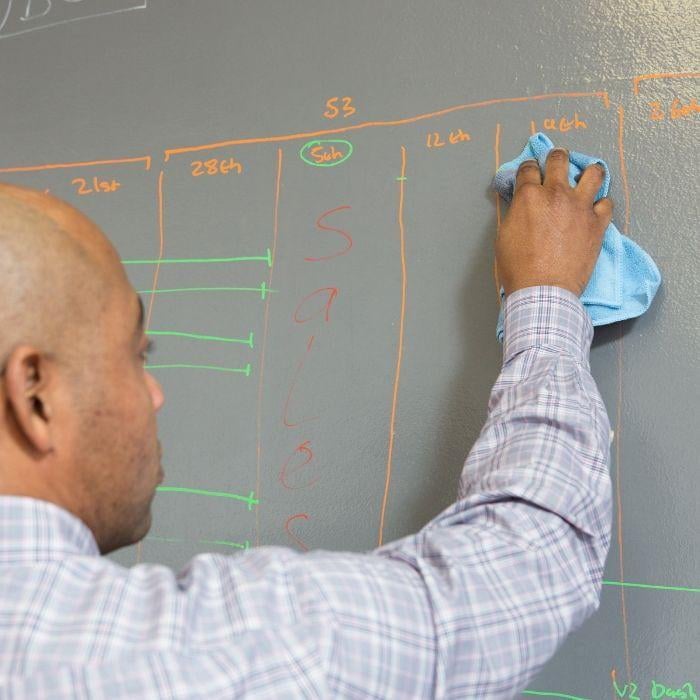
Writing on a blackboard can be uneven, and chalk often breaks, leading to frustration during use. A magnetic blackboard wall offers a smooth, reliable surface that supports clear writing and drawing. Dry-erase chalk markers and traditional chalk can both be used, and the surface cleans easily with a microfiber cloth. This ensures a professional, polished look while encouraging creativity, whether it’s for student exercises, team brainstorming sessions, or home scheduling boards.

Versatile Magnetic Functionality

The magnetic property of the surface adds a whole new dimension to your wall. You can attach notes, schedules, or lightweight items using strong Neo-Magnets, reducing clutter from desks and countertops. Large magnetic blackboards become interactive hubs, allowing multiple users to collaborate simultaneously. This combination of writing and magnetic functionality is particularly valuable in classrooms, offices, and meeting spaces, where organisation and accessibility are essential.

Space Optimisation and Customisation

A major advantage of DIY blackboard magnetic boards is the ability to create surfaces of any size or shape. Unlike traditional blackboards that are limited by their frames, painted or wallpapered magnetic surfaces can cover entire walls or be designed to fit specific areas. This flexibility allows schools and offices to maximise wall space efficiently, while still maintaining an attractive and modern interior aesthetic.

Long-Term Cost Savings

While the initial investment in magnetic blackboard paint or wallpaper may seem higher than a standard blackboard, the long-term savings are significant. These surfaces are durable, reduce cleaning and maintenance costs, and eliminate the need for separate magnetic boards or shelving. Over time, the convenience, flexibility, and multifunctionality make this a highly cost-effective solution for classrooms, offices, and homes alike.

Blackboard vs Whiteboard in Classrooms

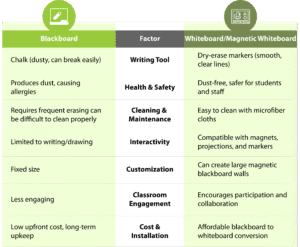
As schools modernise learning environments, the debate between keeping traditional blackboards or upgrading to whiteboards has become increasingly relevant. By understanding the key differences, administrators and educators can make informed decisions regarding blackboard replacement alternatives and the benefits of converting blackboards into whiteboards.

The primary distinction lies in usability, health, and interactivity. Blackboards, while nostalgic, produce dust and require frequent cleaning. Whiteboards, on the other hand, provide a smoother writing experience and are compatible with dry-erase markers, projectors, and magnetic accessories.

Smarter Surfaces has made this conversion easier with solutions like whiteboard paint and magnetic projection screen wallpaper, which allow schools to upgrade blackboards to whiteboards efficiently and cost-effectively.

Blackboard vs Whiteboard in Classrooms

Why Schools Should Consider Conversion

Upgrading existing blackboards using whiteboard paint or magnetic blackboard solutions offers several advantages:

  • Dust-free classroom solutions for better student health.
  • Interactive learning spaces that integrate projection and magnetic functionality.
  • Cost-effective blackboard conversion ideas for schools without removing existing boards.

By converting rather than replacing, schools achieve a modern, efficient, and safer classroom environment while minimising installation time and costs. These solutions also future-proof classrooms, allowing easy adoption of collaborative and digital teaching methods.

What to Look for in Whiteboard Paint for Classrooms

What to Look for in Whiteboard Paint for Classrooms

When considering a blackboard to whiteboard paint conversion, choosing the right paint is critical. Not all products on the market offer the durability, safety, and usability required in educational or professional environments. High-quality whiteboard paint ensures long-lasting performance, easy maintenance, and a safe, interactive surface.

Smarter Surfaces provides a professional range of whiteboard paints designed specifically for educational and commercial spaces. Their Whiteboard Paint kits include everything needed to convert walls into dust-free, smooth, writable surfaces. 

By selecting a product like Smarter Surfaces Whiteboard Paint, schools and offices can efficiently upgrade blackboards to whiteboards, creating interactive, dust-free, and versatile learning or working environments. The paint ensures a smooth writing experience, easy cleaning, and compatibility with markers and magnetic accessories.

Final Words

Converting traditional blackboards into modern whiteboards is now an efficient, cost-effective solution for schools, offices, and homes. Using Smarter Surfaces Whiteboard Paint and magnetic blackboard paint, you can create versatile, multifunctional walls that combine writing, display, and magnetic capabilities. 

This upgrade not only enhances usability but also provides a dust-free, safer, and more engaging environment, supporting interactive learning and collaboration while reducing maintenance and long-term costs.

To achieve the best results, select high-quality, certified products that are easy to apply and deliver consistent performance. Smarter Surfaces’ range offers DIY-friendly kits, expert guidance, and a guarantee, ensuring professional-grade results for every project. 

Take the next step today, explore their whiteboard paint and magnetic blackboard paint solutions, and transform your classrooms, offices, or home walls into modern, interactive, and multifunctional spaces that inspire creativity, organisation, and productivity.

Ready to upgrade your experience? Shop Smarter Surfaces’ top-rated products today.

<div style="max-width:1400px; margin:0px auto;"> <div itemscope="" itemtype="https://schema.org/FAQPage"><h2 style="text-align:center;">FAQ's</h2><div itemprop="mainEntity" itemscope="" itemtype="https://schema.org/Question"> <button class="faqs-accordion" itemprop="name"><span class="h3-faq"><h3> How do I convert blackboard into whiteboard?</h3> </span></button> <div itemprop="acceptedAnswer" itemscope="" itemtype="https://schema.org/Answer" class="faqspanel"> <div itemprop="text"> <div class="faqsp"> <div class="faqs-content"> You can convert a blackboard into a whiteboard using whiteboard paint, self-adhesive whiteboard film, or whiteboard wallpaper. Each method allows for a smooth, dust-free, and writable surface suitable for classrooms, offices, or home spaces.<br /><br /></div></div> </div> <meta itemprop="position" content="1"> </div> </div><div itemprop="mainEntity" itemscope="" itemtype="https://schema.org/Question"> <button class="faqs-accordion" itemprop="name"><span class="h3-faq"><h3> Is it cheaper to convert a blackboard than to replace it? </h3> </span></button> <div itemprop="acceptedAnswer" itemscope="" itemtype="https://schema.org/Answer" class="faqspanel"> <div itemprop="text"> <div class="faqsp"> <div class="faqs-content"> Yes. Blackboard to whiteboard conversion is generally more cost-effective than purchasing and installing new whiteboards, especially for large surfaces. Paint or film applications use the existing board, reducing material and installation costs. <br /><br /></div></div> </div> <meta itemprop="position" content="2"> </div> </div><div itemprop="mainEntity" itemscope="" itemtype="https://schema.org/Question"> <button class="faqs-accordion" itemprop="name"><span class="h3-faq"><h3>Can I create a magnetic whiteboard from a blackboard? </h3> </span></button> <div itemprop="acceptedAnswer" itemscope="" itemtype="https://schema.org/Answer" class="faqspanel"> <div itemprop="text"> <div class="faqsp"> <div class="faqs-content"> Absolutely. By combining a magnetic base layer or using magnetic whiteboard wallpaper, you can turn your blackboard into a multifunctional surface that is both writable and magnetic for notes, reminders, and lightweight objects.<br /><br /></div></div> </div> <meta itemprop="position" content="3"> </div> </div><div itemprop="mainEntity" itemscope="" itemtype="https://schema.org/Question"> <button class="faqs-accordion" itemprop="name"><span class="h3-faq"><h3>What are the benefits of converting blackboards into whiteboards? </h3> </span></button> <div itemprop="acceptedAnswer" itemscope="" itemtype="https://schema.org/Answer" class="faqspanel"> <div itemprop="text"> <div class="faqsp"> <div class="faqs-content"> Converting blackboards provides a dust-free, healthier environment, improves writing and visibility, encourages interactive participation, and allows for larger, customizable surfaces suitable for classrooms, offices, or homes.<br /><br /></div></div> </div> <meta itemprop="position" content="4"> </div> </div><div itemprop="mainEntity" itemscope="" itemtype="https://schema.org/Question"> <button class="faqs-accordion" itemprop="name"> <span class="h3-faq"><h3>How long does it take to convert a blackboard using paint? </h3> </span></button> <div itemprop="acceptedAnswer" itemscope="" itemtype="https://schema.org/Answer" class="faqspanel"> <div itemprop="text"> <div class="faqsp"> <div class="faqs-content"> After surface preparation and priming, applying whiteboard paint typically requires multiple coats. The paint is usually touch-dry within a few hours and fully ready for use within 3-4 days, depending on the product and environmental conditions.<br /><br /></div></div> </div> <meta itemprop="position" content="5"> </div> </div><script> var acc = document.getElementsByClassName("faqs-accordion"); var i;for (i = 0; i < acc.length; i++) { acc[i].addEventListener("click", function() { this.classList.toggle("faqsactive"); var faqspanel = this.nextElementSibling; if (faqspanel.style.display === "block") { faqspanel.style.display = "none"; } else { faqspanel.style.display = "block"; } }); } </script>
Best Silver Screen Paint for 3D projection: A Complete Buyer’s Guide

Best Silver Screen Paint for 3D projection: A Complete Buyer’s Guide

Best Silver Screen Paint for 3D projection

Table of Contents

  1. Introduction
  2. What is Projector Paint?
  3. Benefits of Projector Screen Paints
  4. Best Projector Screen Paint for HD Projectors

Transform your home theatre experience with the right silver screen paint. Whether you’re setting up a dedicated cinema room or enhancing your lounge for weekend movie nights, choosing the best silver screen paint for 3D projection can dramatically improve your 3D projection quality and viewing experience.

What is Silver Screen Paint?

What is Silver Screen Paint?

Silver screen paint is a specialised coating designed to maximise light reflection and enhance the brightness and contrast of projected images. Unlike standard white paint, silver screen paint for home & commercial spaces contains reflective particles that boost image quality, making it effective for 3D projections and low-light environments.

Top Benefits of Silver Screen Paint for 3D Projection

Understanding why best silver screen paint for 3D projection outperforms standard wall surfaces helps you appreciate the investment and sets realistic expectations for your home theatre upgrade.

Top Benefits of Silver Screen Paint for 3D Projection

 1. Enhanced Brightness and Contrast

The metallic particles embedded within silver screen paint work like tiny mirrors, reflecting projected light towards viewers with remarkable efficiency. This reflective quality delivers images that appear significantly brighter than those displayed on standard white walls. 

The increased brightness can be very useful in the 3D viewing where polarised glasses inherently lower the amount of light that gets to your eyes. The dark scenes retain the depth, and bright ones have their bright pop, to give that cinema-quality effect.

2.Improved 3D Image Depth and Clarity

Three-dimensional content relies heavily on precise light delivery to each eye, and silver screen paint for home & commercial spaces excels in this area. Reflective surface keeps polarised light patterns intact, which are important in the functionality of 3D glasses.

This provides sharp edges, better definition between the foreground and background objects, and reduced ghosting or crosstalk that is common on bad surfaces

3. Better Performance in Ambient Light Conditions

Unlike traditional projection screens that struggle when room lights are on, best silver screen paint for 3D projection demonstrates impressive resilience against ambient lighting. 

The reflective properties help combat light pollution from windows, lamps, or even the glow from your mobile phone. This adaptability means you won’t need to create a completely darkened environment to enjoy quality viewing. The paint effectively redirects projected light towards viewers and minimizes the washing-out effect that occurs in bright environments.

4. Cost-Effective Alternative to Traditional Projection Screens

Quality motorised projection screens or fixed-frame versions will cost thousands of dollars, especially for larger screens. The best silver screen paint for 3D projection provides a great value with a sufficient amount of product that can cover a large portion of the wall at a fraction of the cost.

Consider that a high-quality 120-inch projection screen may cost you between $2000 and $4000, and the silver screen paint covering the same area of viewing only costs around $1400. Apart from saving money, you are saving constant worry about screen breaks, motor malfunctions, or wear and tear on fabrics that are haunting your mechanical options.

5. Customisable Screen Sizes to Fit Any Space

The silver screen paint for commercial use and residential use has no fixed size. This will help you to design an ideal viewing area to your space. You can make unusual aspect ratios or curved surfaces that would not have been possible with traditional screens.

Such flexibility is invaluable to the Australian houses with distinctive architectural styles or to the houses that make the most of small living areas.

6. Easy Maintenance and Cleaning

To keep the silver screen paint surface clean, all one has to do is dust off the surface with a soft cloth or clean up with a light vacuum cleaner with a brush attachment every so often. The painted surfaces resist most contaminants in the household as compared to the fabric screens, which can accumulate dust, develop stains or need a professional cleaning.

This is a low-maintenance method that is appropriate to a busy lifestyle where simplicity is important. In case of any damage to a small portion, it can be repaired with ease and looks well with the normal surface.

Key Factors to Consider When Choosing Silver Screen Paint

Key Factors to Consider When Choosing Silver Screen Paint

Not all silver screen paints deliver the same results, and choosing the wrong specifications for your room can leave you disappointed. The factors shared below determine whether your investment delivers cinema-quality results or becomes an expensive mistake.

1. Gain Rating

The gain rating tells you how much brighter your projected image will appear compared to a standard white wall. Higher gain sounds brilliant, but it comes with trade-offs – you’ll get a brighter picture in the centre but potentially darker edges and a narrower sweet spot for viewing. Most home theatres work best with gain ratings between 1.2 and 2.5.

2. Surface Texture

Smooth finishes give you razor-sharp images but can create annoying bright spots if you’re sitting directly in line with the projector beam. Slightly textured surfaces scatter light more evenly, reducing hotspots and maintaining decent sharpness. 

3. Ambient Light Performance

If your viewing room gets plenty of natural light or you can’t achieve cinema-dark conditions, look for paints specifically designed to reject ambient light. The specialised formulations by Smarter Surfaces bounce projected light back to viewers while absorbing stray light from windows or lamps. Perfect for Australian homes where you want to watch movies during the day without drawing all the curtains.

4. Colour Temperature

The best silver screen paint for 3D projection can shift colour temperature slightly, making images appear warmer or cooler than intended. Quality paints maintain neutral colour reproduction, ensuring skin tones look natural and your favourite films appear as the director intended. This becomes particularly important with 3D content, where colour accuracy affects the depth perception your brain relies on. 

5. Viewing Angle

Your viewing angle determines how far off-centre you can sit before image quality drops noticeably. Higher gain paints offer narrow viewing angles, which works fine for dedicated theatre rooms, but proves problematic in family areas where people sit in various spots. Consider your seating arrangement and choose the best projectors for silver screen paint, as there’s no point having a brilliant centre image if half your mates can’t see properly from the sides.

Application and Installation Tips – Best Silver Screen Paint for 3D Projection

Best Silver Screen Paint for 3D Projection

Getting professional results with silver screen paint comes down to proper preparation and technique rather than expensive tools or years of experience. These practical tips help you avoid common pitfalls and achieve a smooth, uniform surface that delivers optimal image quality.

1. Surface Preparation

Start with a clean, smooth wall – fill any holes with putty and sand down rough patches before you begin. Give the surface a good wipe with sugar soap to remove grease and grime, then apply quality white primer from Smarter Surfaces. A properly prepped wall makes all the difference between a professional-looking result and a patchy mess.

2. Application Techniques

2.1. Brush vs Roller vs Spray Application 

Rollers work best for most DIY jobs – they’re easy to control and give consistent coverage across large areas. Brushes are handy for cutting in edges, but can leave streak marks on the main surface. Spray application delivers the smoothest finish but requires proper equipment and experience to avoid overspray disasters.

2.2. Number of Coats Required 

Smarter Surfaces silver screen paint for commercial use needs two coats for optimal performance. Follow the user manual or recommendations while applying. Skimping on coats will leave you with patchy brightness and disappointed with your investment.

2.3. Drying Times and Conditions 

Allow at least four hours between coats in typical Australian conditions, though humidity can extend this significantly. Don’t rush the process on humid days, or you’ll end up with runs and an uneven finish that’s impossible to fix without starting over.

2.4. Common Mistakes to Avoid 

The biggest mistake is applying coats too thick – it creates an uneven surface that affects image quality. Also, avoid painting in direct sunlight or on windy days if you’re working near open doors, as dust and debris will ruin your smooth finish.

3. Creating the Perfect Viewing Environment

Creating the Perfect Viewing Environment

3.1. Optimal Room Lighting 

Install dimmable lights that you can adjust for different viewing situations – bright enough for general use but dim enough to disappear during movie time. Avoid placing lights directly opposite your screen as they’ll create glare and wash out your projected image.

3.2. Seating Arrangement Considerations 

Position your main viewing seats within the screen’s optimal viewing angle, typically the centre third of your seating area. Don’t push furniture too close to the walls as you’ll lose the immersive effect, and ensure everyone has a clear sightline without craning their necks.

3.3. Ambient Light Control 

Heavy curtains or blinds are essential for daytime viewing, and light-coloured walls around your screen can cause distracting reflections. Consider painting adjacent walls in darker colours to improve contrast and reduce light bounce that competes with your projection.

4. Maintenance and Care

Dust your screen surface weekly with a microfibre cloth, working in gentle circular motions to avoid scratching the finish. For stubborn marks, use a slightly damp cloth with mild detergent, then dry immediately to prevent water spots. Avoid harsh chemicals or abrasive cleaners that might damage the reflective properties you’ve paid good money for.

5. Budget Considerations

5.1. Initial Cost vs Long-term Value 

The best silver screen paint for 3D projection might seem expensive upfront compared to regular paint, but it’s still a fraction of the cost of a quality projection screen. Factor in the longevity – a good application should last 8-10 years with proper care, making it an excellent value compared to replacing damaged screens or upgrading projectors to compensate for poor surface performance. 

5.2. DIY vs Professional Installation Costs 

Most handy Aussies can tackle this as a weekend project, saving hundreds in labour costs while gaining the satisfaction of a job well done. However, if your walls need significant prep work or you’re not confident with paint application, professional installation ensures optimal results and often comes with warranty coverage.

5.3. Maintenance Expenses Over Time 

Ongoing costs are minimal – just occasional cleaning supplies and perhaps a small tin of touch-up paint for future repairs. Compare this to motorised screens that might need motor replacements or fabric screens requiring professional cleaning, and the savings become substantial over the years.

Key Takeaway

Silver screen paint offers home theatre enthusiasts an affordable way to achieve cinema-quality 3D projection without the hefty price tag of traditional screens.

As an enthusiast, all you need to do is focus on matching the paint’s gain rating and ambient light performance to your room conditions. Take your time with proper application, and you’ll create a custom viewing surface that delivers impressive brightness, contrast, and depth for years to come. The best projectors for silver screen paint is a smart investment that transforms any wall into a professional projection screen while giving you complete control over size and placement.

Ready to unlock the potential of your 3D setup? Try our silver screen paint and see the difference.

Ready to upgrade your experience? Shop Smarter Surfaces’ top-rated products today.

<div style="max-width:1400px; margin:0px auto;"> <div itemscope="" itemtype="https://schema.org/FAQPage"><h2 style="text-align:center;">FAQ's</h2><div itemprop="mainEntity" itemscope="" itemtype="https://schema.org/Question"> <button class="faqs-accordion" itemprop="name"><span class="h3-faq"><h3> Can silver screen paint be used with short throw or ultra-short throw projectors?</h3> </span></button> <div itemprop="acceptedAnswer" itemscope="" itemtype="https://schema.org/Answer" class="faqspanel"> <div itemprop="text"> <div class="faqsp"> <div class="faqs-content"> Yes, the best silver screen paint for 3D projection works perfectly with short throw and ultra-short throw projectors, delivering better results due to the reduced projection distance. The shorter throw distance minimises potential hotspotting issues that can occur with higher gain paints and traditional projector setups. Ensure your wall surface is perfectly smooth, as any imperfections become more noticeable with these close-range projectors.<br /><br /></div></div> </div> <meta itemprop="position" content="1"> </div> </div><div itemprop="mainEntity" itemscope="" itemtype="https://schema.org/Question"> <button class="faqs-accordion" itemprop="name"><span class="h3-faq"><h3> How does silver screen paint affect 2D projection compared to 3D? </h3> </span></button> <div itemprop="acceptedAnswer" itemscope="" itemtype="https://schema.org/Answer" class="faqspanel"> <div itemprop="text"> <div class="faqsp"> <div class="faqs-content"> Both 2D and 3D projections benefit from silver screen paint's enhanced brightness and contrast. 2D visuals appear more vibrant with deeper blacks and brighter highlights, while 3D content transforms from dim and muddy to sharp and immersive. The reflective surface maintains the polarisation needed for proper 3D separation without the brightness penalty of standard white surfaces. <br /><br /></div></div> </div> <meta itemprop="position" content="2"> </div> </div><div itemprop="mainEntity" itemscope="" itemtype="https://schema.org/Question"> <button class="faqs-accordion" itemprop="name"><span class="h3-faq"><h3>Does silver screen paint change the room’s aesthetics when the projector is off?</h3> </span></button> <div itemprop="acceptedAnswer" itemscope="" itemtype="https://schema.org/Answer" class="faqspanel"> <div itemprop="text"> <div class="faqsp"> <div class="faqs-content"> Smarter Surfaces silver screen paints have a subtle metallic sheen that's noticeable but not overwhelming in normal room lighting. The appearance varies with lighting conditions, looking more prominent under direct light but blending naturally in ambient lighting. Many homeowners prefer the elegant metallic finish to plain white walls, especially in modern or contemporary room designs.<br /><br /></div></div> </div> <meta itemprop="position" content="3"> </div> </div><div itemprop="mainEntity" itemscope="" itemtype="https://schema.org/Question"> <button class="faqs-accordion" itemprop="name"><span class="h3-faq"><h3>What is the recommended room size or wall size for applying silver screen paint?</h3> </span></button> <div itemprop="acceptedAnswer" itemscope="" itemtype="https://schema.org/Answer" class="faqspanel"> <div itemprop="text"> <div class="faqsp"> <div class="faqs-content"> The best silver screen paint for 3D projection works in rooms of any size, from compact bedroom areas to dedicated theatre rooms. The key consideration is viewing distance. A good rule of thumb for viewing angle is 140 degrees.<br /><br /></div></div> </div> <meta itemprop="position" content="4"> </div> </div><div itemprop="mainEntity" itemscope="" itemtype="https://schema.org/Question"> <button class="faqs-accordion" itemprop="name"> <span class="h3-faq"><h3> Can silver screen paint be touched up or repainted if it gets damaged?</h3> </span></button> <div itemprop="acceptedAnswer" itemscope="" itemtype="https://schema.org/Answer" class="faqspanel"> <div itemprop="text"> <div class="faqsp"> <div class="faqs-content"> Yes. Touch-ups blend seamlessly when done properly - just clean the damaged area, lightly sand if needed, and apply thin coats of the same paint until it matches the surrounding surface. Complete repainting is cost-effective than replacing a damaged projection screen, making it a practical long-term solution.<br /><br /></div></div> </div> <meta itemprop="position" content="5"> </div> </div><div itemprop="mainEntity" itemscope="" itemtype="https://schema.org/Question"> <button class="faqs-accordion" itemprop="name"> <span class="h3-faq"><h3> Can silver screen paint work with any projector?</h3> </span></button> <div itemprop="acceptedAnswer" itemscope="" itemtype="https://schema.org/Answer" class="faqspanel"> <div itemprop="text"> <div class="faqsp"> <div class="faqs-content"> Yes, silver screen paint works with all projector types, including LCD, DLP, and laser projectors. The key is matching the paint's gain rating to your projector's brightness (brighter projectors can handle higher gain paints for maximum impact). You might need to adjust your best projectors for silver screen paint colour settings slightly to compensate for any colour temperature shifts the paint introduces.<br /><br /></div></div> </div> <meta itemprop="position" content="5"> </div> </div><div itemprop="mainEntity" itemscope="" itemtype="https://schema.org/Question"> <button class="faqs-accordion" itemprop="name"> <span class="h3-faq"><h3> What's the lifespan of silver screen paint?</h3> </span></button> <div itemprop="acceptedAnswer" itemscope="" itemtype="https://schema.org/Answer" class="faqspanel"> <div itemprop="text"> <div class="faqsp"> <div class="faqs-content"> Smarter Surfaces quality silver screen paint lasts 8-10 years with proper care and maintenance in typical Australian conditions. The reflective properties remain stable throughout this period, though you might notice minor colour shifts after many years of heavy use. Touch-ups are straightforward if needed, and complete reapplication is much cheaper than replacing a damaged projection screen.<br /><br /></div></div> </div> <meta itemprop="position" content="5"> </div> </div> <script> var acc = document.getElementsByClassName("faqs-accordion"); var i;for (i = 0; i < acc.length; i++) { acc[i].addEventListener("click", function() { this.classList.toggle("faqsactive"); var faqspanel = this.nextElementSibling; if (faqspanel.style.display === "block") { faqspanel.style.display = "none"; } else { faqspanel.style.display = "block"; } }); } </script>
Transform Your Classroom with Magnetic Whiteboard Walls

Transform Your Classroom with Magnetic Whiteboard Walls

Magnetic boards are a brilliant addition to the learning environment. They have helped teachers enhance the dynamics of the classroom for years. But as education evolves and the needs of the students change the magnetic boards must give way to modern alternatives with multifaceted functionalities.

Woman using super magnetic painted wall

This is why so many schools are choosing to swap their magnetic boards for magnetic surface products instead. There are plenty to choose from too. Paints, wallpapers and plasters that can all add magnetic functionality to your classroom. The best part is that these magnetic surfaces can also work as whiteboards and projection screens.

Replace Magnetic Boards with Magnetic Wallpaper

One of the most popular product alternatives to magnetic boards is magnetic whiteboard wallpaper. Instead of having a magnetic board with a standalone feature, you can cover all walls of a classroom with a magnetic whiteboard wallpaper which gives your classroom writable walls that attract magnets. With this upgrade you eliminate the size limitation of a magnetic board, maximize the writable surface, and create an integrated space for writing, drawing, and sticking objects with magnets.

There are even more interesting opportunities once you decide to go for wallpapers. The Magnetic Whiteboard Projection Wallpaper by Smarter Surfaces gives you a writable surface with ferromagnetic qualities that can also be used as a projection screen. That’s three functionalities tied into one incredible product with a 10-year performance guarantee.

All you need is some vinyl over vinyl adhesive and a step-by-step guide to installing the wallpaper.

Magnetic Paint for a more cost-effective solution

If you aren’t sure about replacing your magnetic boards with wallpaper, why not opt for one of our paint alternatives instead? Smarter Surfaces offers two categories of magnetic paint with varying magnetite content. Yes, magnetite is the material that endows a common paint with ferromagnetic qualities.

The magnetic paint has a 55% magnetite content which enables you to stick up to 4 sheets of A4-size paper on a wall with a single neodymium magnet. The super magnetic paint has a higher magnetite content at 60% and it lets you stick 5 sheets of paper with one magnet.

All you need to apply the magnetic paint on your classroom walls is included in the product packages along with a step-by-step application guide.

You can lay down a few coats of white primer followed by a coat of the smart whiteboard paint on top of a wall covered with the magnetic paint, to turn it into a large magnetic whiteboard wall.

Magnetic plaster for a significant improvement

The magnetic plaster by Smarter Surfaces is a two-coat high-performance commercial-grade plaster that transforms any wall into a smooth and high-performance magnetic surface.

With a 75% magnetite content, the magnetic plaster is by far the strongest product for creating magnetic surfaces. You can use a wall plastered with this like any other wall. Maybe you can apply a digital wall print to it or hang photo frames, canvases, and even television sets from the wall (provided you have magnets that are strong enough).

Magnetic Plaster comes premixed and it can be applied just like any standard plaster.

As our Plaster has a dark grey finish, top coat with a colour of your own choice or even add a product from our dry erase range such as the whiteboard paint, or a whiteboard wallpaper.

Use your magnetic walls for projection and writing

We have already talked at length about the multifaceted functionality of Smarter Surfaces products. We offer you the opportunity to accentuate the impact of a magnetic surface by topping it off with additional characteristics like writability and projectability. We have designed product packages to help you achieve that without the hassle of researching and finding compatible products individually.

Take the magnetic whiteboard paint product package for instance. It comes with a unit of magnetic paint, a unit of whiteboard paint, most of the equipment you need to apply the products, complete application guide, and an application video. You can apply it by yourself with no professional help. The paints exceed all regulatory guidelines and are safe to be used around children and pregnant women.

If you want to add another functionality to your magnetic whiteboard wall and make it also work as a projection screen, just choose a different product grouping – use a low sheen whiteboard paint on top of a primed magnetic wall. With a low gloss level, this paint creates a decent projection surface which is also writable. Similar functionalities can be achieved by using the wallpaper range as we’ve mentioned earlier.

The Smarter Surfaces website does a brilliant job of describing all its product in meticulous detail. And our product experts are ready to help you at every turn in terms of choosing the right product, and navigating the application procedure. Book a free video consultation now to show us the surfaces you’re planning to transform.

Things to Know Before You Buy Dry-Erase Paint for Walls

Things to Know Before You Buy Dry-Erase Paint for Walls

Man wiping marker off the dry-erase paint for walls

Whether you want to refurbish an old whiteboard, replace a traditional whiteboard with a writable wall, or create a writable wall with additional properties like magnetic receptibility, you need high-quality dry-erase paint. The quality of dry-erase paint directly affects your experience with the whiteboard. Hence, it is very important to understand the key features of a dry-erase paint for walls.

What is dry-erase paint for walls?

Dry-erase paint is a special kind of paint or coating that converts any smooth surface into a whiteboard that you can write on with dry-erase markers and clean up with a dry microfibre cloth.

How does dry-erase paint work?

Dry-erase paint is created by combining a specialist resin with paint. The resin is designed to create a smooth and hard surface on which you can write with dry-erase markers. The resin is responsible for ensuring that the paint is hard enough to endure the processes of writing and wiping for years. The dry-erase paint for walls by Smarter Surfaces comes with a 10-year performance guarantee.

Different types of dry-erase plains

There are two types of dry-erase paints

1. White dry-erase paint

It is white in colour and gives you a white writable surface. A white dry-erase paint typically comes in a glossy finish. Nevertheless, Smarter Surfaces has a matt whiteboard paint which is low sheen and can double as a projection screen.

2. Clear whiteboard paint

Clear dry-erase paint can create a writable wall in a colour of your choice. Since the dry-erase paint itself is transparent, you can apply it to a painted wall and give it dry-erase qualities without losing the original colour. The clear dry-erase paint is suitable for creating writable walls in offices that want to reflect brand colours on the walls or classrooms that complement the colour of the school building.

Dry-erase paints can be further classified based on functionality and purpose. For instance, antimicrobial whiteboard paint by Smarter Surfaces is designed to eliminate a range of bacteria.

5 things you should pay attention to while buying dry-erase paint for walls

1. Safety and Certifications
It’s important to note that people interact with a dry-erase board from very very close proximity whether you want to apply dry-erase paint in a professional environment or a classroom setting. Hence, you must ensure that it is safe, non-toxic, and adheres to regional standards for quality.

  • Check if the paint is fire-certified.
  • Make sure that the VOC levels in the paint are low
  • The paint should be free of PFOA, PFOS, and Isocyanates.
  • It should not have a strong odour
  • Does not require installation safety measures as dry erase paint products containing Isocyanates do

2. Performance and Product Guarantee
The whole purpose of painting a wall with dry-erase paint id defeated if you have to renew it every couple of years. You should be able to use the writable wall in pristine condition over a long period of time. Hence, you should go for brands that offer a performance guarantee.

Your dry-erase paint should not crack or peel, it should not have staining or ghosting, and even if your board gets a permanent marker stain by accident, you should be able to clean it with a permanent marker remover.

3. Ease of maintenance
You should be able to maintain a writable wall in pristine condition for at least a decade without a lot of hassle. A few wipes with a microfibre cloth and a dry-erase cleaner at the end of the day should be enough to retain the quality of your dry-erase surface.

4. Application and customer support
Applying dry-erase paint on a wall is not a very difficult task and you should be able to do it yourself. You should look for a brand that supports your DIY journey with proper tools and assistance. For instance, Smarter Surfaces sends a full application kit with its products so that customers can apply the paints without professional help.

Your dry-erase surface should be ready to use within 4 days of the installation of the dry-erase paint.

We have also created step-by-step application guides and application videos complete with professional tricks and tips to help you throughout the DIY process.

If you face any confusion while installing a product or even while shopping for it, you can reach out to product advisors at Smarter Surfaces over email, phone, or chat. The lines are always open. Or, you can book a free video consultation so that our experts can look at your surface and help you find the right product.

5. Additional functionalities
Smarter Surfaces helps you supercharge the functionality of your dry-erase surface with magnetic receptibility. You can create a writable wall that doubles as a magnetic wall using the magnetic whiteboard paint bundle by Smarter Surfaces.

Dry erase paint for walls that creating writable walls

Key benefits of applying dry-erase paint on walls

By converting a regular wall into a dry-erase writable wall you change the whole dynamic of a space be it a classroom or a meeting room. Suddenly, there is a lot of room for exploring ideas, being creative, and innovating. Overall it enhances the spirit of collaboration in the workspace as well as the classroom.

Writable walls add dynamism to an office setting

  • Encourages creativity and expression of ideas
  • The collaborative potential of meetings increases significantly
  • Strategy meetings are more impactful with easy-flowing visual cues
  • Gives the office a space for fun and games

A full dry-erase wall frees up creativity in a classroom

  • Gives teachers space to cover a lot of information without wiping the board multiple times
  • There is more space for students to interact with their peers and teachers
  • Classrooms are freed from chalk dust and the allergies and irritation that follow
  • The writable area in a classroom is not limited by the size of a traditional wall-mounted whiteboard.
Smarter Surfaces Australia
Privacy Overview

This website uses cookies so that we can provide you with the best user experience possible. Cookie information is stored in your browser and performs functions such as recognising you when you return to our website and helping our team to understand which sections of the website you find most interesting and useful.